Evening Frames: 3 Sunset Angles
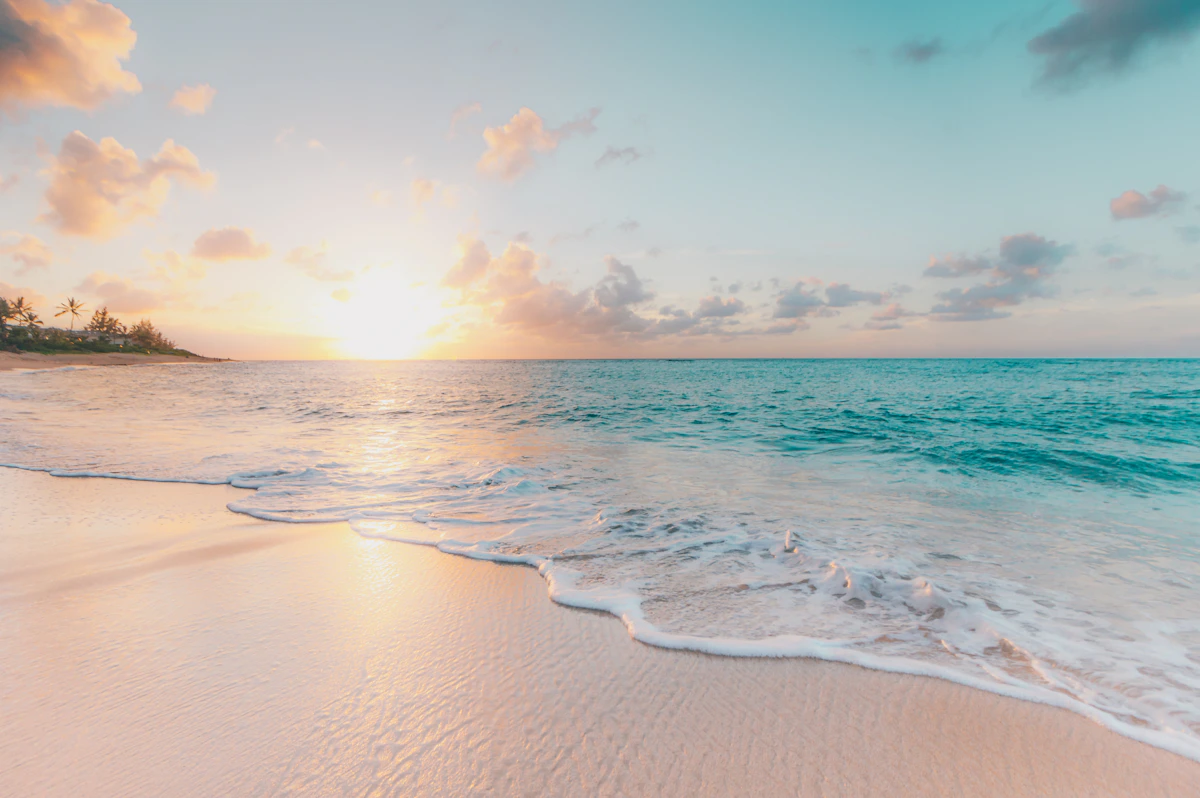
Sunset looks better when you choose your framing logic before the light shifts. Instead of chasing every possible view, define one composition goal per location and commit to it. This creates cleaner visual results and lowers decision fatigue in a short time window.
Most missed sunset shots are not caused by camera quality. They happen because people arrive late, keep changing angles, or leave right after the sun drops. A stronger routine is to arrive early, lock one main framing idea, and stay into blue hour.
Angle 1: Wide waterline
Use open horizon and reflections for calm compositions. This angle works best in places with minimal foreground clutter. Arrive at least 35 minutes early so you can test two positions before the light becomes critical.
Keep your horizon line consistent and avoid over-zooming. Wide frames with simple geometry usually age better than heavily cropped sunset shots. If you are shooting with a phone, tap-expose on sky highlights and let foreground fall slightly darker for cleaner color gradients.
Angle 2: Layered skyline
Pick a mild elevation where buildings, water, and sky stack into clear layers. This style is great for city storytelling because it combines atmosphere with urban identity. Look for repeating roof lines or tower silhouettes that can anchor your composition.
As light drops, reduce visual clutter by simplifying your frame edges. Move your feet before you adjust settings. Small position changes often improve composition more than filters or edits.
Angle 3: Bridge movement
Use bridge-adjacent paths for dynamic frames with moving subjects. Here, motion is an advantage: walkers, cyclists, and light trails add rhythm to otherwise static scenes. Keep your base frame simple and wait for movement to enter naturally.
If the area is crowded, choose one direction and commit for five minutes rather than turning constantly. Consistency increases the chance of catching one strong sequence.
Timing strategy for stronger results
Think in three phases: pre-sunset setup, sunset peak, and blue-hour finish. Phase one is for testing angles. Phase two is for your main shots. Phase three is where subtle colors and city lights blend, often producing the strongest final images.
Stay at least 15-20 minutes after sunset. That extra window usually gives smoother tones and more atmospheric contrast than the peak moment itself.
Great sunset sessions are simple: one clear angle, one timing plan, and enough patience to let the scene evolve. With this approach, you will produce fewer random shots and more images you actually want to keep.